
Fats are an essential component of the human diet, contributing not only to overall health but also to the sensory qualities of food, such as taste, aroma, and texture. Alongside proteins and carbohydrates, fats serve as one of the three primary macronutrients, providing a dense source of energy and supporting the absorption of fat-soluble vitamins (A, D, E, and K). In a well-balanced modern diet, fats are expected to cover approximately 20–35% of daily energy intake. This range ensures the adequate consumption of essential fatty acids and supports key physiological functions, while helping prevent conditions such as atherogenic dyslipidemia. However, exceeding this upper limit particularly in populations where caloric surplus is common, can contribute to excessive weight gain and associated metabolic disorders. Despite concerns over fat overconsumption in some parts of the world, it’s important to note that an estimated 720 to 811 million people remain undernourished globally (Figure 1.), highlighting a stark imbalance in global nutritional access. In many regions, fats are not only a source of energy but a crucial tool in combating food insecurity and malnutrition. Globally, about 62% of all consumed fats come from just five primary sources: soybean oil, palm oil, sunflower oil, butter and ghee, and rapeseed/mustard oil. Around 80% of dietary fats are derived from plant-based sources, while the remaining 20% originate from animal-based sources.
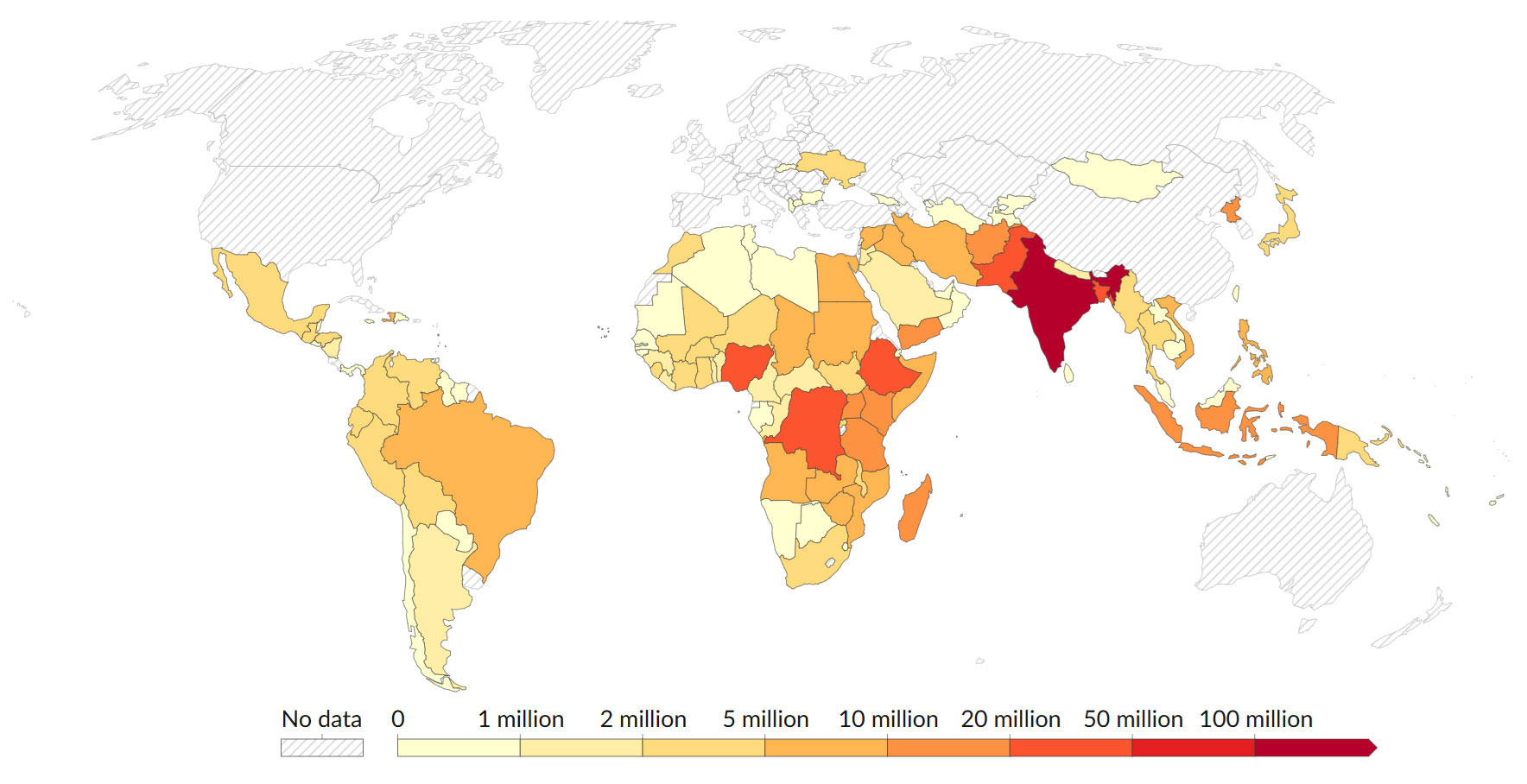
Figure 1. Number of undernourished people, 2022. Sourced from Food and Agriculture Organization of the United Nations (2025) – with major processing by Our World in Data.
From a biochemical perspective, fats belong to a broader group of substances known as lipids, a large and chemically diverse class of organic compounds. Lipids include not only fats and oils but also waxes, phospholipids, and sterols (such as cholesterol). In the context of human nutrition, the term “fats” typically refers to triglycerides, which make up the vast majority of dietary fat. A triglyceride consists of three fatty acids attached to a glycerol backbone. Dietary fats are complex chemical mixtures, containing various saturated and unsaturated fatty acids in differing proportions. These mixtures often include minor amounts of other fatty and non-fatty components, making each fat source unique in its composition and biological effects. The specific types and ratios of fatty acids in a given fat or oil significantly influence its physical properties (such as whether it is solid or liquid at room temperature) as well as its nutritional and metabolic impacts. Because of this chemical diversity, understanding the structure and function of individual fatty acids is essential when evaluating the health implications of different types of dietary fats.
Fatty acids can originate from exogenous dietary sources or be produced endogenously via de novo lipogenesis. Based on the number of double bonds in their hydrocarbon chains, they are commonly classified into three main categories. Monounsaturated fatty acids (MUFAs) can be found in foods such as fish, plant-derived oils (e.g., olive and canola oil), nuts, and seeds. Polyunsaturated fatty acids (PUFAs) are presented in soybean, corn, and sunflower oils, as well as in some nuts, seeds, tofu, and fatty fish. Saturated fatty acids (SFAs) are predominantly found in animal products (meat, butter, dairy) and in tropical oils like palm oil. A fourth category, trans fatty acids (TFAs), is formed either industrially during partial hydrogenation of vegetable oils (e.g., in some margarines and baked goods), or naturally in small amounts in ruminant-derived products like beef, lamb, and dairy. Due to their negative effects on cardiovascular health, intake of saturated and trans fats should be minimized.
Some polyunsaturated fatty acids are essential, meaning they cannot be synthesized by the human body and must be obtained through the diet. These include omega-3 and omega-6 fatty acids. While both are important for human health, an imbalanced intake (especially the excessive consumption of omega-6s relative to omega-3s) is associated with proinflammatory and prothrombotic effects, contributing to the development of atherosclerosis, obesity, and type 2 diabetes. The modern Western diet often features an omega-6 to omega-3 ratio as high as 20:1, whereas an optimal ratio is believed to be closer to 1:1 to 4:1. This imbalance is further exacerbated by the fatty acid composition of meat from intensive farming systems, which tend to be rich in omega-6 fatty acids due to the animals’ grain-based diets. In contrast, meat from extensive, pasture-based systems contains higher levels of beneficial omega-3s, contributing to a more favorable dietary ratio. Key essential fatty acids include for example alpha-linolenic acid (ALA) or linoleic acid (LA). Alpha-linolenic acid is an omega-3 fatty acid found in flaxseeds, walnuts, rapeseed, legumes, leafy greens, and fatty fish. It has been reported that ALA has cardiovascular-protective, anti-cancer, neuro-protective, anti-osteoporotic, anti-inflammatory, and antioxidative effects. ALA is converted into eicosapentaenoic acid (EPA) and docosahexaenoic acid (DHA), which have crucial roles in brain development, cardiovascular health, and inflammatory reactions. Linoleic acid is an omega-6 fatty acid, which is considered to be involved in reducing incidence of cardiovascular diseases, metabolic syndrome or type 2 diabetes. But LA can also elongate and desaturate to arachidonic acid, which is a precursor of pro-inflammatory compounds that can have a negative effect on health. It is therefore important to balance the intake of a given fatty acid correctly. Maintaining a proper equilibrium in the consumption of a specific fatty acid is crucial.
Fatty acids play numerous physiological roles. They are primary structural and functional components of cellular membranes, particularly as part of phospholipids. The type of fatty acids incorporated into membranes influences membrane fluidity, thickness, and function. For example, membranes rich in short-chain saturated fatty acids are more viscous, whereas membranes containing MUFAs and PUFAs are more fluid. This has clinical relevance: greater membrane fluidity (due to unsaturated fatty acids and lower cholesterol) enhances insulin receptor density and sensitivity, potentially reducing insulin resistance. Fatty acids are a major source of energy through β-oxidation. When not immediately needed, they are stored as triacylglycerols or sterol esters in lipid droplets, serving as energy reservoirs or substrates for membrane synthesis. Lipids also have the capacity to accumulate lipophilic xenobiotic compounds, potentially leading to lipotoxicity and apoptosis. They are precursors of eicosanoids, which are bioactive compounds involved in inflammation, immune regulation, blood pressure control, gastric protection, and smooth muscle activity. Ecosanoids also serve as signaling molecules and are essential for hormone production. Fats provide essential fatty acids and are critical for the absorption of fat-soluble vitamins (A, D, E, and K). However, excessive fat intake, particularly in Western diets, may disturb gut microbiota composition and reduce bioavailability and efficacy of these vitamins, potentially leading to toxicity. Omega-3 PUFAs, especially DHA, are essential for brain development, retinal function, anti-inflammatory signaling, and cardiovascular health. DHA functions as a neurotrophic factor, supports synaptic activity, and contributes to atherosclerosis prevention. Additionally, fat plays a role in water storage, a function particularly vital for desert-adapted species like camels, although less relevant in human physiology.
Cardiovascular diseases (CVD) remain one of the leading causes of mortality in developed countries (see Figure 2.). The underlying pathological process is most often atherosclerosis, a chronic and progressive condition characterized by the thickening and loss of elasticity of arterial walls due to the accumulation of lipids, connective tissue, and, in advanced stages, calcium deposits. As atherosclerotic plaques develop, arterial narrowing occurs, which can impede blood flow and lead to tissue ischemia. The most common acute clinical manifestations of atherosclerosis-related CVD include myocardial infarction (heart attack, typically caused by a thrombus that forms over an atherosclerotic lesion in the coronary artery, blocking blood flow to part of the heart muscle) and ischemic stroke (often due to a blockage in the carotid artery, reducing or halting blood flow to the brain). The development of atherosclerosis is multifactorial, involving both genetic predispositions and lifestyle-related risk factors, including dietary fat intake. Although some findings in the literature are conflicting or remain under debate, certain trends are well established regarding the effects of different types of fatty acids on cardiovascular health. Evidence about MUFAs suggests a neutral or protective effect, depending on the overall dietary context. Diets high in MUFAs, such as the Mediterranean diet, are consistently linked with lower cardiovascular risk. PUFAs, especially omega-3 fatty acids (EPA and DHA), are also associated with reduced risk of CVD. These fatty acids exert anti-inflammatory, antithrombotic, and antiarrhythmic effects. On the other hand, SFAs are generally associated with a higher risk of CVD, particularly when consumed in large quantities and in the context of low intake of protective nutrients like fiber or omega-3 fatty acids. TFAs are also strongly associated with increased cardiovascular risk due to their adverse effects on blood lipid profiles and endothelial function. Although not a fatty acid, cholesterol is an important lipid molecule frequently discussed alongside dietary fats due to its close association with blood lipid profiles and cardiovascular health. On its own, dietary cholesterol has a minimal or negligible impact on CVD risk, especially when saturated fat intake is accounted for. An illustrative example comes from populations such as the traditional-living Greenland Inuit, who exhibit low incidences of cardiovascular disease despite high fat consumption. Their diet is rich in very long-chain omega-3 PUFAs, especially EPA and DHA, which are believed to play a significant role in their cardiovascular protection.
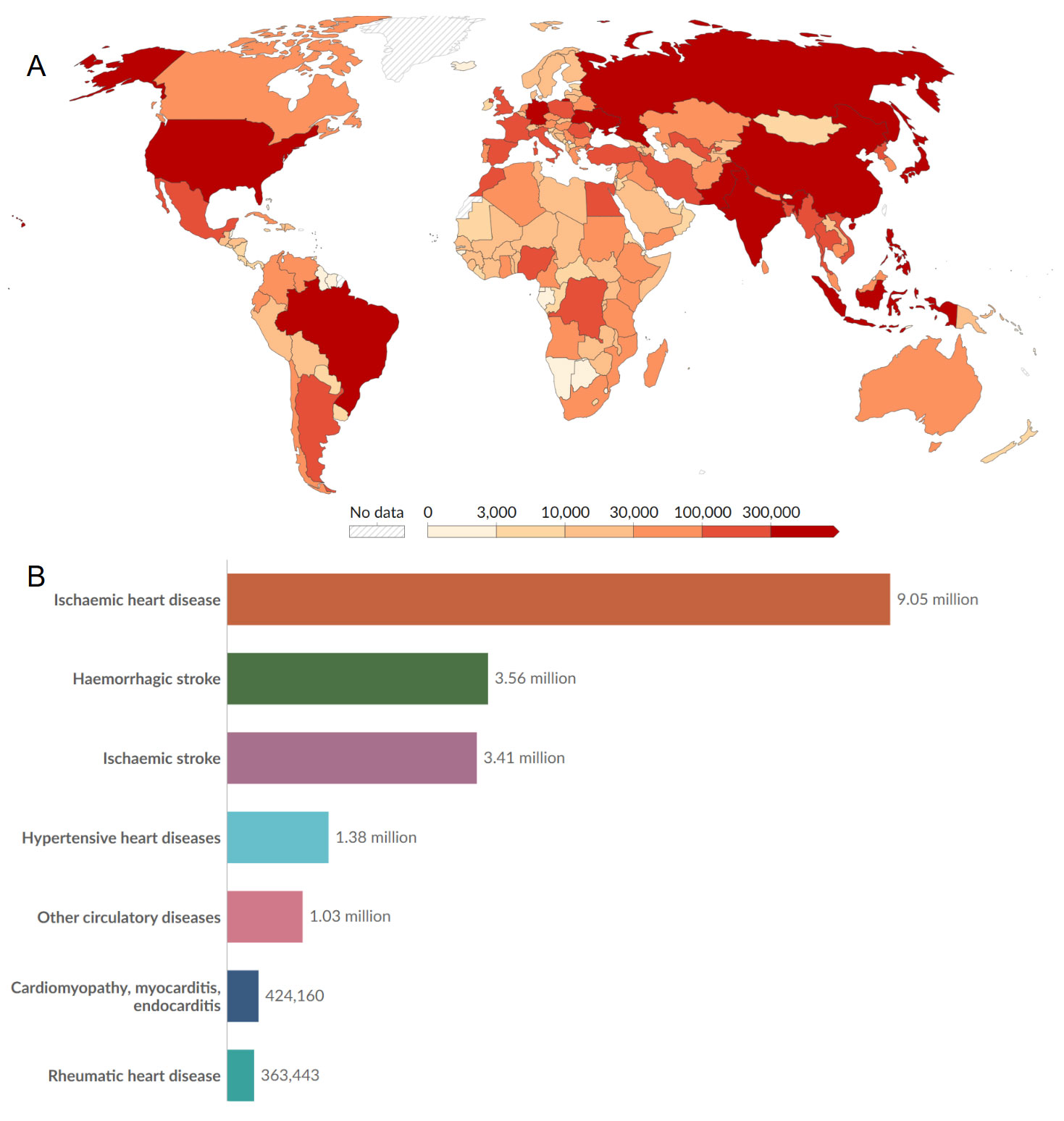
Figure 2. Deaths caused by cardiovascular diseases, 2021 (A) and number of deaths from cardiovascular diseases by type, 2021 (B). Sourced from World Health Organization (2024) – with major processing by Our World in Data.
The fat composition of meat varies significantly depending on several factors, including animal species, age, diet, and the specific part of the carcass used (illustrated in Figure 3.). These variables influence not only the nutritional quality of meat, but also its culinary attributes, such as firmness or softness, tenderness, juiciness, and flavour. Meat fat is composed primarily of MUFAs and SFAs, though it also contains a notable proportion of PUFAs. On average, TFAs account for about 1–2% of total fatty acids across all meat types. Importantly, animal products are responsible for approximately 60% of dietary saturated fat intake in many populations, highlighting their impact on overall fat consumption. Given meat’s prominent role as a fat source, there has been growing interest in recent years in modulating its fatty acid profile, either through changes in animal feeding practices or technological innovations. One such emerging approach is cultivated meat, which presents a unique opportunity to optimize fat content and composition by design. This could enable a healthier fatty acid balance, offering consumers the nutritional benefits of meat while reducing the intake of less desirable fat types, such as SFAs and TFAs.
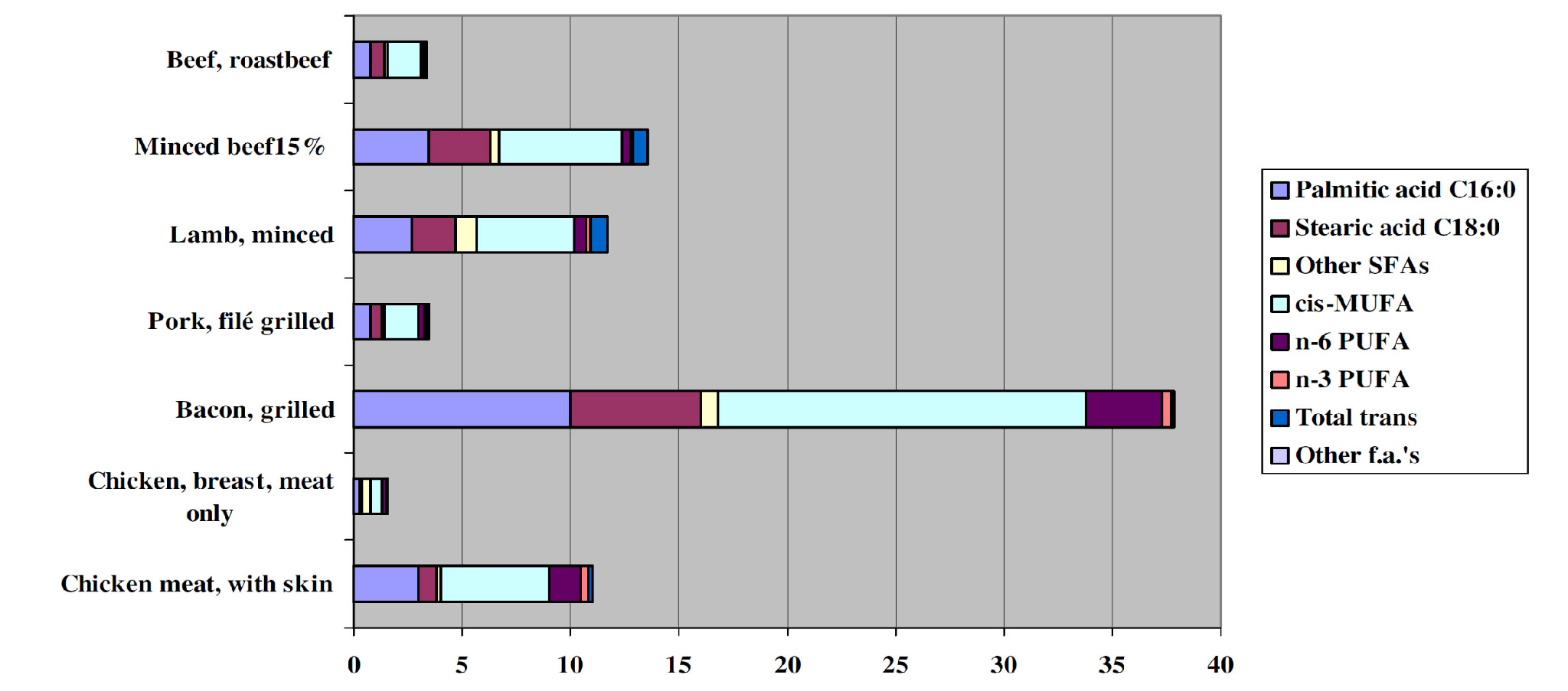
Figure 3. The fatty acid content in selected meats. Sourced from Valsta et al. 2005 with modifications.
A balanced dietary fat intake plays a crucial role in the prevention of chronic non-communicable diseases, particularly when the quality of fats is prioritized over simply limiting total or saturated fat content. For populations dealing with undernutrition, such as parts of Sub-Saharan Africa, Asia, and the Caribbean, energy-dense foods, including fats, remain essential to meeting caloric and micronutrient needs. In higher-income regions, however, where fat intake is often excessive, the focus has shifted from fat quantity to fat quality. Research consistently shows that replacing saturated fats with polyunsaturated fats, rather than refined carbohydrates, can significantly reduce the risk of cardiovascular disease. In contrast, substituting saturated fat with refined carbohydrates offers no clear health benefit and may even contribute to adverse metabolic outcomes. This highlights the complex interplay between different macronutrients, as fats contain 9 kcal per gram, compared to 4 kcal per gram for carbohydrates and proteins. Iconic debates, such as margarine versus butter, illustrate how public understanding of fats has changed. Similarly, there is an ongoing discussion about the optimal dietary balance between omega-3 and omega-6 fatty acids, with the Western diet often providing an imbalanced ratio that may promote inflammation. Interestingly, a meta-analysis and systematic review published in the Annals of Internal Medicine in 2019 concluded that the association between red and processed meat consumption and all-cause mortality or cardiometabolic disease is very small and based on low-certainty evidence. This reinforces the importance of considering the broader context of the diet, rather than focusing on individual food items or nutrients in isolation. Finally, it’s worth noting that past controversies surrounding saturated fat intake mirror those previously attributed to dietary cholesterol, a topic that continues to evolve and is explored in the next section.
Das, U. N. Essential Fatty Acids – A Review. Current Pharmaceutical Biotechnology, 2006, 7, 6, 467-482.
de Carvalho, C. C. C. R.; Caramujo, M. J. The Various Roles of Fatty Acids. Molecules, 2018, 23, 2583. https://doi.org/10.3390/molecules23102583
Food and Agriculture Organization of the United Nations (2025) – with major processing by Our World in Data. https://ourworldindata.org/grapher/number-undernourished?tab=map (accessed on 3 April 2025)
Kenneth, R.; Feingold, M. D. The Effect of Diet on Cardiovascular Disease and Lipid and Lipoprotein Levels. Endotext, 2024. https://www.ncbi.nlm.nih.gov/sites/books/NBK570127/ (accessed on 31 March 2025)
Kim, K.-B.; Nam, Y.A.; Kim, H. S.; Hayes, A. W.; Lee, B.-M. α-Linolenic acid: Nutraceutical, pharmacological and toxicological evaluation. Food and Chemical Toxicology, 2014, 70, 163-178. https://doi.org/10.1016/j.fct.2014.05.009
Liu, A. G.; Ford, N. A.; Hu, F. B.; Zelman, K. M.; Mozaffarian, D.; Kris-Etherton, P. M. A healthy approach to dietary fats: understanding the science and taking action to reduce consumer confusion. Nutritional Journal, 2017, 16, 53. https://doi.org/10.1186/s12937-017-0271-4
Marangoni, F.; Agostoni, C.; Borghi, C.; Catapano, A. L.; Cena, H.; Ghiselli, A.; La Vecchia, C.; Lercker, G. ; Manzano, E.; Pirillo, A.; Riccardi, G.; Risé, P.; Visioli, F.; Poli, A. Dietary linoleic acid and human health: Focus on cardiovascular and cardiometabolic effects. Atherosclerosis, 2020, 292, 90-98. https://doi.org/10.1016/j.atherosclerosis.2019.11.018
Meijaard, E.; Abrams, J. F.; Slavin, J. L.; Sheil, D. Dietary Fats, Human Nutrition and the Environment: Balance and Sustainability. Frontiers in Nutrition, 2022, 9, 878644. https://doi.org/10.3389/fnut.2022.878644
Salter, A. M. Dietary fatty acids and cardiovascular disease. Animal, 2013, 7, 1, 163-171. https://doi.org/10.1017/S1751731111002023
Tatar, A. M. Effects of intensive and conventional farming on oxidative stress and meat quality biomarkers in holstein and simmental cattle. Scientific Reports, 2024, 14, 26197. https://doi.org/10.1038/s41598-024-78087-x
Valsta, L. M.; Tapanainen, H.; Männistö, S. Meat fats in nutrition. Meat Science, 2005, 70, 525-530. https://doi.org/10.1016/j.meatsci.2004.12.016
World Health Organization (2024) – with major processing by Our World in Data. https://ourworldindata.org/grapher/deaths-from-cardiovascular-disease-ghe and https://ourworldindata.org/grapher/deaths-from-cardiovascular-disease-type (accessed on 3 April 2025)
Fats are an essential part of the human diet. Beyond contributing to taste and texture, they provide a concentrated source of energy and enable the absorption of fat-soluble vitamins (A, D, E, and K). In a balanced diet, fats typically account for about 20–35% of total daily energy intake. This range helps ensure sufficient intake of essential fatty acids and supports normal physiological functions. However, excessive fat intake, particularly in environments where caloric surplus is common, may contribute to weight gain and metabolic disorders. At the same time, global nutrition remains deeply unequal: while some populations struggle with overconsumption, hundreds of millions of people worldwide remain undernourished. In many regions, fats are not only a dietary component but an important source of energy in combating food insecurity. Globally, most dietary fats come from plant-based oils, with a smaller proportion derived from animal sources.
Number of undernourished people, 2022.
From a biochemical perspective, fats belong to a broader group called lipids. In nutrition, the term “fat” usually refers to triglycerides, molecules composed of three fatty acids attached to a glycerol backbone. Different fats contain varying proportions of fatty acids, which determine whether a fat is solid or liquid at room temperature and influence its metabolic effects. Because of this chemical diversity, not all fats behave the same way in the body.
Fatty acids are commonly classified based on the number of double bonds in their structure. Monounsaturated fatty acids (MUFAs) are found in foods such as olive oil, nuts, seeds, and some fish. Polyunsaturated fatty acids (PUFAs) are present in vegetable oils, nuts, seeds, tofu, and fatty fish. Saturated fatty acids (SFAs) are found mainly in animal products and some tropical oils such as palm oil. Trans fatty acids (TFAs) may be produced industrially during partial hydrogenation or occur naturally in small amounts in ruminant products. Because of their established association with cardiovascular risk, saturated and especially trans fats are generally recommended to be consumed in moderation.
Some polyunsaturated fatty acids are essential, meaning the body cannot produce them and they must be obtained from food. These include omega-3 and omega-6 fatty acids. Both are important for health, but their balance matters. Modern Western diets often provide far more omega-6 than omega-3 fatty acids, sometimes reaching ratios as high as 20:1, whereas a lower ratio is considered more favorable. Alpha-linolenic acid (ALA) is an omega-3 fatty acid found in flaxseeds, walnuts, rapeseed, legumes, leafy greens, and fatty fish. It can be converted into EPA and DHA, which play important roles in brain development, cardiovascular health, and inflammatory regulation. Linoleic acid (LA) is an omega-6 fatty acid that has been associated with reduced cardiovascular risk, but it can also serve as a precursor to compounds involved in inflammation. Maintaining a balanced intake of these fatty acids is therefore important.
Fatty acids are fundamental components of cell membranes, influencing their fluidity and function. Membranes containing more unsaturated fatty acids tend to be more fluid, which may support insulin sensitivity. They also serve as a major energy source and can be stored in the body for later use. In addition, fatty acids are precursors of signaling molecules involved in inflammation, immune regulation, and blood pressure control. Fats are essential for the absorption of fat-soluble vitamins and provide essential fatty acids that the body cannot synthesize. Omega-3 fatty acids, particularly DHA, are important for brain development, visual function, and cardiovascular health.
Cardiovascular diseases remain among the leading causes of death worldwide. A key underlying process is atherosclerosis, in which lipids accumulate in arterial walls, narrowing blood vessels and increasing the risk of heart attack and stroke. The relationship between dietary fat and cardiovascular health is complex. Diets rich in MUFAs, such as the Mediterranean diet, are associated with lower cardiovascular risk. PUFAs, especially omega-3 fatty acids, are also linked to protective effects.
In contrast, higher intake of saturated and trans fats is generally associated with increased cardiovascular risk, particularly when protective nutrients such as fiber and omega-3 fatty acids are low. Dietary cholesterol, often discussed alongside fat, appears to have a limited independent effect on cardiovascular risk when saturated fat intake is taken into account. Populations with high omega-3 intake, such as traditional Greenland Inuit communities, illustrate how overall dietary patterns influence cardiovascular outcomes.
Deaths caused by cardiovascular diseases, 2021 (A) and number of deaths from cardiovascular diseases by type, 2021 (B).
The fat composition of meat varies depending on species, age, diet, and the specific cut. Meat fat is primarily composed of MUFAs and SFAs, with smaller amounts of PUFAs and typically low levels of trans fats. Animal products contribute significantly to saturated fat intake in many populations. For this reason, there is increasing interest in modifying the fatty acid profile of meat, whether through animal feeding strategies or technological approaches. Cultivated meat represents one such approach, with the potential to design fat composition in ways that may improve fatty acid balance.
The fatty acid content in selected meats.
Current research increasingly emphasizes the quality of dietary fat rather than focusing solely on reducing total fat intake. Replacing saturated fats with polyunsaturated fats, rather than with refined carbohydrates, has been associated with reduced cardiovascular risk. In regions affected by undernutrition, energy-dense foods including fats remain crucial. In higher-income regions, where intake often exceeds needs, attention shifts toward improving fat quality and maintaining a balanced omega-3 to omega-6 ratio. Debates surrounding saturated fat, cholesterol, and specific foods such as red and processed meat illustrate how nutritional science continues to evolve. Evidence suggests that health outcomes depend on the broader dietary pattern rather than isolated nutrients alone.
Das, U. N. Essential Fatty Acids – A Review. Current Pharmaceutical Biotechnology, 2006, 7, 6, 467-482.
de Carvalho, C. C. C. R.; Caramujo, M. J. The Various Roles of Fatty Acids. Molecules, 2018, 23, 2583. https://doi.org/10.3390/molecules23102583
Food and Agriculture Organization of the United Nations (2025) – with major processing by Our World in Data. https://ourworldindata.org/grapher/number-undernourished?tab=map (accessed on 3 April 2025)
Kenneth, R.; Feingold, M. D. The Effect of Diet on Cardiovascular Disease and Lipid and Lipoprotein Levels. Endotext, 2024. https://www.ncbi.nlm.nih.gov/sites/books/NBK570127/ (accessed on 31 March 2025)
Kim, K.-B.; Nam, Y.A.; Kim, H. S.; Hayes, A. W.; Lee, B.-M. α-Linolenic acid: Nutraceutical, pharmacological and toxicological evaluation. Food and Chemical Toxicology, 2014, 70, 163-178. https://doi.org/10.1016/j.fct.2014.05.009
Liu, A. G.; Ford, N. A.; Hu, F. B.; Zelman, K. M.; Mozaffarian, D.; Kris-Etherton, P. M. A healthy approach to dietary fats: understanding the science and taking action to reduce consumer confusion. Nutritional Journal, 2017, 16, 53. https://doi.org/10.1186/s12937-017-0271-4
Marangoni, F.; Agostoni, C.; Borghi, C.; Catapano, A. L.; Cena, H.; Ghiselli, A.; La Vecchia, C.; Lercker, G. ; Manzano, E.; Pirillo, A.; Riccardi, G.; Risé, P.; Visioli, F.; Poli, A. Dietary linoleic acid and human health: Focus on cardiovascular and cardiometabolic effects. Atherosclerosis, 2020, 292, 90-98. https://doi.org/10.1016/j.atherosclerosis.2019.11.018
Meijaard, E.; Abrams, J. F.; Slavin, J. L.; Sheil, D. Dietary Fats, Human Nutrition and the Environment: Balance and Sustainability. Frontiers in Nutrition, 2022, 9, 878644. https://doi.org/10.3389/fnut.2022.878644
Salter, A. M. Dietary fatty acids and cardiovascular disease. Animal, 2013, 7, 1, 163-171. https://doi.org/10.1017/S1751731111002023
Tatar, A. M. Effects of intensive and conventional farming on oxidative stress and meat quality biomarkers in holstein and simmental cattle. Scientific Reports, 2024, 14, 26197. https://doi.org/10.1038/s41598-024-78087-x
Valsta, L. M.; Tapanainen, H.; Männistö, S. Meat fats in nutrition. Meat Science, 2005, 70, 525-530. https://doi.org/10.1016/j.meatsci.2004.12.016
World Health Organization (2024) – with major processing by Our World in Data. https://ourworldindata.org/grapher/deaths-from-cardiovascular-disease-ghe and https://ourworldindata.org/grapher/deaths-from-cardiovascular-disease-type (accessed on 3 April 2025)